
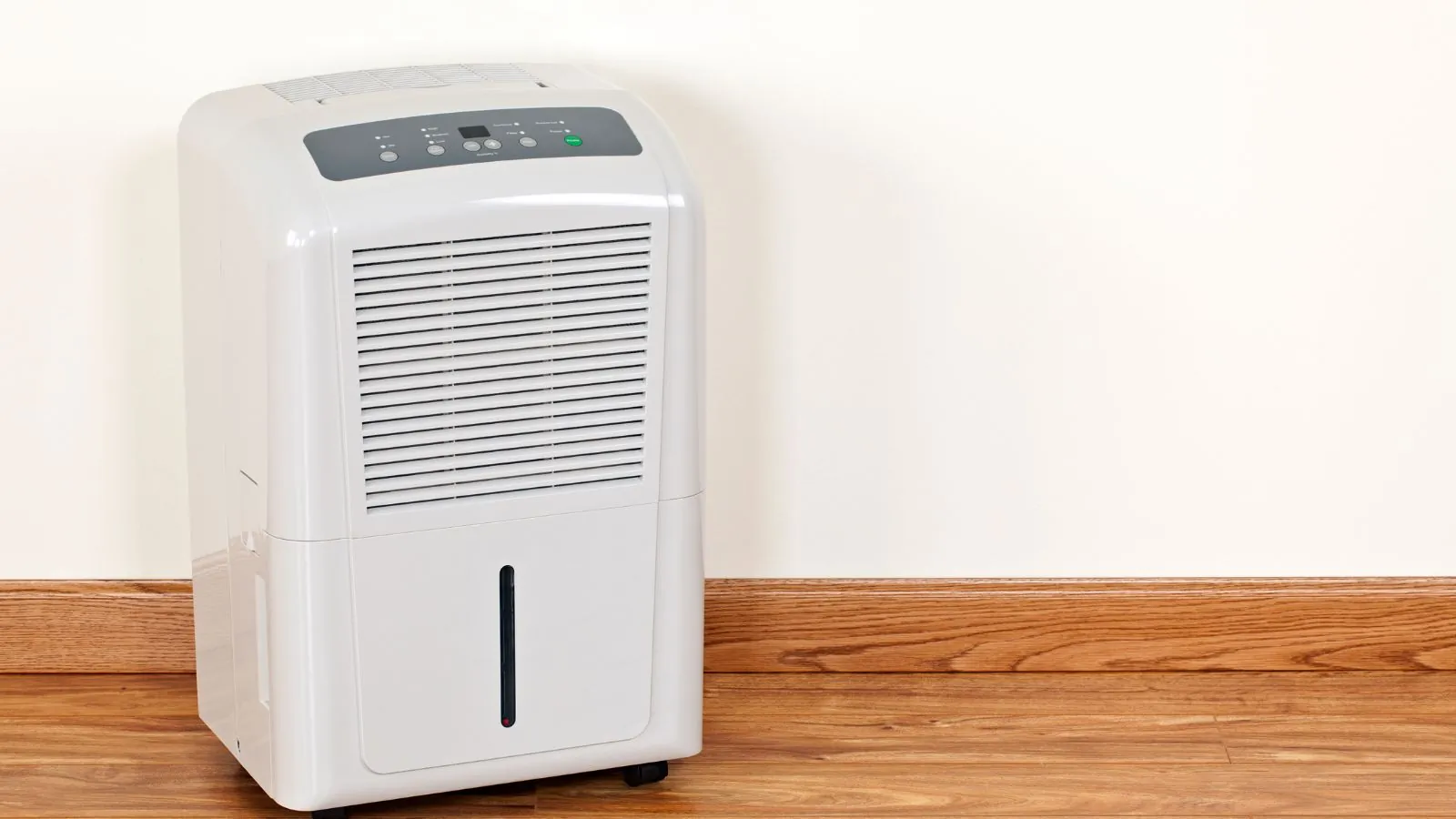
Structural drying and dehumidification is the controlled removal of moisture from wood framing, drywall, subfloor and concrete after water has stopped flowing. Pumping out the puddle is only the first step. The water that soaked into the building materials stays behind until air movement and dehumidification pull it out.
Crews start with water extraction when water is still standing, then place equipment according to moisture readings, not guesswork. This page explains the equipment, the readings and how long drying usually takes.
How to dry out a house after a leak, and how long it takes
The honest answer to how long it takes to dry out a house after a leak is that it depends on what got wet. A small clean-water leak confined to one wall can dry in about three to five days. A floor-to-ceiling soaking, a wet subfloor or a concrete slab can run a week or more, and dense materials like hardwood and plaster dry slowest.
People also ask how long to run a dehumidifier after water damage. The answer is until the readings say stop, not until a calendar date. Walls that feel dry to the hand can still read high on a meter, and a house that is shut up too early can bring musty smells back.
Three things set the pace: how long the materials were wet, how humid the air is, and how much equipment can work in the affected rooms at once.
Water mitigation: the first stage of the drying job
Water mitigation means stopping the damage from growing. The source is shut off, standing water is extracted, wet contents are lifted, and affected materials are sorted into dry in place, open up or remove. Those decisions happen in the first visit and shape everything after.
A wet wall might be dried with the baseboard pulled and small holes drilled for airflow. A swollen section of wall and drywall that has lost its shape comes out instead. Insulation soaked with sewage or groundwater never gets a second chance. Mitigation decisions follow ANSI/IICRC S500, and you can ask any company whether its crews work to it.
Walls still feel damp?
Call (732) 352-9660 and describe what got wet, and we will explain a drying plan before work starts.
Moisture mapping: measuring what you cannot see
A moisture map is a record of readings taken across walls, floors and ceilings. Pin and pinless meters read the wood and drywall, a thermal camera shows cold wet patches behind paint, and a hygrometer records air temperature and humidity.
Day one readings become the baseline. A reading on the same spot the next morning shows whether the material is drying or holding, so equipment can be added, moved or pulled. At the end, readings are compared to a dry standard for the same material in an unaffected room of your house. That comparison is what ends the job.
What each piece of drying equipment does
Each machine does one job, and the number placed depends on room size and wetness. The table shows how the main pieces work together.
| Equipment | What it does | Where it goes |
|---|---|---|
| Air movers | Push a fast, low layer of air across wet surfaces so water leaves the material | Aimed along walls and across floors, spaced by room size |
| LGR dehumidifier | Pulls water out of the air at low humidity, so drying keeps working after the surface is dry | One or more in a closed drying zone |
| Desiccant dehumidifier | Absorbs moisture chemically, useful when the air is cold or the job is stubborn | Used when the air is too cool for refrigerant machines |
| Drying mats and panels | Pull water up through hardwood or from behind walls | Floors, cabinet toes, wall cavities |
| Thermal camera and meters | Find wet zones and confirm when they are dry | Used each visit |
An LGR (low grain refrigerant) machine takes the air to a much lower humidity than a household dehumidifier, which is why it dries framing that a basement unit never will.
What to do before renting drying equipment
We do not rent air movers or dehumidifiers, so we cannot send you equipment to run yourself. If you are thinking about renting, here is what the machines will and will not do.
A rented dehumidifier will lower humidity in a room. It will not tell you whether the joists behind the wall have reached a dry reading, where to aim airflow, or when it is safe to close up. A managed job adds those readings, plus the judgment to open a wall before mold has a chance. If you do rent, take your own meter readings daily.
The drying visit, day by day
Most structural drying jobs follow the same rhythm.
Day one: map and set
Water is stopped or extracted, wet areas are metered, and air movers and dehumidifiers are placed to match the map.
Day two: adjust
Fresh readings show what is responding. Machines move to the slow spots, and open walls or lifted baseboards get more airflow.
Day three and after: read and trim
Equipment is removed from areas that reached the dry standard while the stubborn spots keep running.
Final visit: confirm and release
Last readings are logged against the dry standard, equipment is collected, and you get the numbers before repairs start.
Where drying meets floors, walls and what comes next
Flooring is often the slowest part of a dry-out. Solid wood swells and cups as it absorbs water, so a damp board needs targeted drying. Our hardwood floor water damage page covers what can be saved and what cannot.
When readings reach the dry standard, the rebuild can begin. Drywall, trim and flooring installed over wet framing trap moisture and invite trouble later. That is why we hand you the logged numbers before anyone closes up a wall.
What drives the cost of structural drying
Cost follows the work, so scope and price are explained before work starts. Five things move it:
- Water category: category 1 clean water, category 2 gray water and category 3 contaminated water carry different protocols.
- Affected square footage and ceiling height, since larger volumes need more air movement and dehumidification.
- Materials involved: drywall dries faster than hardwood, plaster or a concrete slab.
- Drying days and equipment count, driven by daily readings.
- Rebuild scope after drying, including drywall, flooring and paint.
Sudden and accidental water damage is often covered by homeowners insurance, gradual leaks and neglect often are not, and flood damage is usually excluded and needs separate flood coverage. Check your policy and ask your insurer. Call (732) 352-9660 for a real number.
Drying in a Marlboro climate
NOAA's Freehold-Marlboro station records 48.57 inches of precipitation a year (1991 to 2020 normals), so outdoor air is often humid when a dry-out is under way. Closed doors and windows matter, and a dehumidifier in a sealed zone removes moisture more efficiently than an open house with fans running. In the 106 days a year at or below 32F, drying a frozen-pipe loss also means keeping rooms warm enough to dry, since cold air holds little moisture.
After a storm or burst pipe, the sequence stays the same. Call, describe what you see, and the first visit sets the plan. The same readings and dry standard apply when a crew drives to a home in Lincroft.
Drying questions we hear after a leak
A small clean-water leak confined to one wall often dries in a few days, while soaked floors, subfloors and concrete can take a week or more. We keep equipment running until daily readings reach the dry standard for each material. The calendar does not decide, the meter does.
Run it until moisture readings on the affected materials match readings in a dry part of the same house. Turning it off early because the room feels dry is a common mistake. Wood framing and subfloor release moisture slowly, and the surface can feel dry while the core is still wet.
Sometimes, if the wetting was light and the air is dry. In most house leaks the drywall, insulation and framing stay damp in the cavity where air does not reach. Readings show whether it is drying, and a wall that is not responding may need to be opened.
No, we do not offer rentals. We do the drying as a managed job, with equipment placed from moisture readings and checked on each visit. If you rent equipment elsewhere, ask for the manual and log your own readings daily.
Concrete is dense and slow to release water, so a wet slab can take much longer than drywall. Dehumidification matters more than fans here, and flooring should not go over it until readings and any moisture testing the flooring maker requires have passed.
Yes. Air movers and dehumidifiers run around the clock during the job, with a steady hum similar to a box fan. They draw a noticeable amount of power, so your crew will tell you how many circuits are in use. Machines go as soon as the readings allow.
Dry to a number, not a hunch
Call (732) 352-9660 for same-day response when available and a drying plan built on daily readings.