
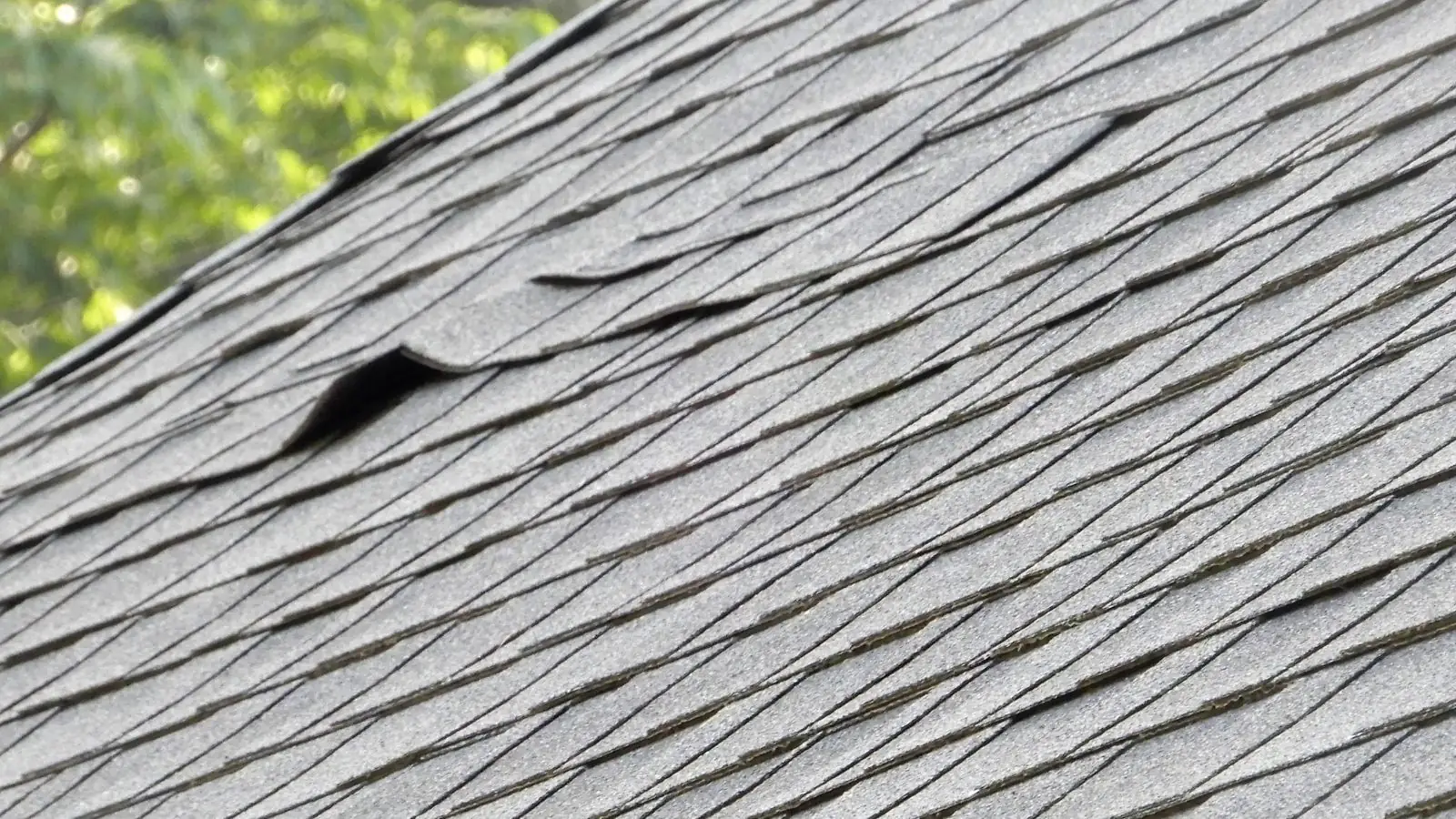
A storm that peels shingles, pushes rain under siding or drops a limb through the roof puts water inside the house at the worst possible time. Storm water damage is the wetting of attics, walls, ceilings and floors by wind and rain that breach the building envelope, as opposed to rising water that comes in from the ground.
Dispatch runs 24/7 in Marlboro, NJ. Until a crew arrives, stay out from under sagging ceilings, put buckets under drips, lift valuables off wet floors, and call the utility for any downed line before calling us. Water that dripped into the ceiling is covered further on ceiling water damage repair.
Storm water coming in right now
During the storm, your goal is to limit the spread and stay safe. After it passes, the water already inside keeps working. Wet insulation, soaked drywall and damp framing hold water for days if nothing dries them, and the first 24 to 48 hours decide how much of the structure can be kept.
Call the restoration line as soon as it is safe to do so. Tell us where the water came in, how long it rained after the opening appeared, and what is wet. After-hours calls during or just after a storm are common, and we offer same-day response when available, though we cannot promise an arrival time when roads are blocked.
What to do while help is on the way
Storm entry points are often above you, so the order of steps matters. If you live in Morganville or Robertsville, the pages for Morganville and Robertsville cover the roads and landmarks that help us find your street.
Check for safety first
Look for downed lines, hanging limbs and a sagging ceiling before you move around. Call 911 or the utility for a fallen line.
Contain the water
Set buckets under drips and put towels along wet baseboards. Use plastic sheeting to cover furniture and floors below the leak.
Stop the opening if you can do so safely
From the ground or inside, tape a tarp over a broken window. Do not climb onto a wet or damaged roof.
Lift and move
Take rugs, electronics, books and boxes off the wet floor. Open closet doors so air circulates.
Document, then call
Photograph the opening, the damage and the sky conditions, then call (732) 352-9660.
Rain still coming through the ceiling?
Call (732) 352-9660 and tell us where it is entering, and we will walk you through containing it safely.
Downed lines, wet outlets and damaged roofs
After storms, electricity and water often meet in unexpected places. If water is dripping near an outlet, a ceiling light or the panel, stay out of that room. Cut power only if the panel is dry and you can reach it without stepping in water.
Call 911 or the utility for any electrical or gas risk, including a downed line in the yard, before calling the restoration line. A roof that has lost shingles or a limb is not a place to stand.
- Treat every downed line as live and stay far away.
- Do not use a generator indoors or in the garage.
- Do not touch a ceiling fixture that is filling with water.
- Keep children and pets out of any room with a sagging ceiling.
How wind-driven rain gets through the building envelope
A storm finds the weak points. Wind lifts shingles and pushes rain up under the edges, flashing around chimneys and skylights lets go, and window seals that held for years leak sideways. Gutters packed with leaves overflow behind the fascia, and siding with failed caulk lets rain into the wall cavity.
Garage doors, soffit vents, bath fan caps and dryer vents are other entry points that get less attention. Water entering at any of these runs down the inside of a wall or across an attic floor and shows up far from where it came in.
Storm water versus a flood
The distinction matters for dry-out and for insurance. Rain that comes through the roof or windows is storm damage. Water that rises from the ground, a stream or the yard is flood, which is handled under flood damage restoration.
Standard homeowners policies generally exclude flood, and flood coverage comes from the National Flood Insurance Program or a private flood policy. A new NFIP policy generally has a 30-day wait. Check your policy or ask your insurer which one applies to your loss.
| Feature | Storm water damage | Flood damage |
|---|---|---|
| Where water enters | Roof, windows, siding, vents | Doors, foundation, low openings |
| Direction | From above and the sides | From the ground up |
| Usual water category | Category 1, may become 2 with time | Category 2 or 3 |
| Typical materials hit | Attic insulation, ceilings, upper walls | Floors, lower walls, contents |
| Typical insurance path | Often homeowners policy, check yours | Separate flood policy, check yours |
Drying the attic, wall cavity and ceiling after a storm
We begin with a moisture meter and thermal camera, which show where water traveled. Wet insulation is removed, since it will not dry in place, and damaged drywall is cut out in clean sections. Air movers aimed along rafters and a dehumidifier sized for the attic start pulling moisture out.
If the storm water reached a lower floor, we check the finished ceilings and the stud bays behind them. A basement that took on water through a window well is a separate case, covered at basement water damage cleanup. Our crews work to ANSI/IICRC S500 and take daily readings until the framing matches a dry reference.
What has to wait for the roofer
Restoration and roof repair are two trades. A roofer or general contractor seals the opening with shingles, flashing or a tarp, and we dry what got wet. Order matters: if the roof is still open, rain will wet the cavity again.
A temporary tarp over the opening between rain events protects the dried area. Keep the receipt for any emergency repair, since your insurer may ask for it. Ask any contractor to show the New Jersey Division of Consumer Affairs registration card, which the township permit page requires.
What drives the cost of storm water cleanup
Storm jobs run from one wet room to a whole attic. The factors below set the scope, and the price is explained before work starts.
- Water category: rain through a roof is usually Category 1, but time and contact with insulation can change it.
- Affected area: one ceiling bay or a full second floor.
- Materials involved: insulation, drywall, plaster, subfloor and finish flooring.
- Drying days and equipment: attics need staged air movers and a dehumidifier, and access can add setup time.
- Rebuild scope: roofing repair, drywall and paint are separate from drying.
Sudden storm damage is often covered, while flood damage is usually excluded and needs separate flood coverage. Check your policy or ask your insurer. To get a real number, call (732) 352-9660.
Storms Marlboro homeowners remember
Superstorm Sandy in 2012 (FEMA DR-4086), Irene in 2011 and the remnants of Ida in 2021 (DR-4614) all touched Monmouth County. The lesson is practical: photograph the roof, attic and ceilings after a big storm and write down the date, since your adjuster will ask what was damaged by wind and what by water.
The Monmouth County hazard plan notes that Texas Road and Fletcher Drive flood in intense rain, so a Marlboro storm loss can include both wind entry and rising water. For homes near Adelphia, a nearby crew in Adelphia joins our dispatch from Route 9.
Storm damage questions from Marlboro callers
Yes. Dispatch runs through storms, including nights and weekends. Call and tell us where the water entered and what is wet. Same-day response is offered when available, but road conditions and downed lines can slow everyone, and no arrival time is promised.
Wind and rain damage through the roof or walls is often covered, while flood damage from rising water is usually excluded and needs separate flood coverage. Your deductible and policy terms matter. Photograph everything, keep receipts for temporary repairs and ask your insurer what applies.
Possibly. Rain driven past a failed window seal soaks the framing, drywall and insulation below the sill. A moisture meter checks the wall without cutting. If readings are high, we open a small section and dry the cavity before mold has a chance to start.
Keep everyone out from under the damaged area, call 911 or the utility if a line is involved, and put buckets under drips. Do not climb onto the roof. A roofer can tarp the opening, and we dry the attic and ceilings below.
As soon as it is safe. Wet insulation and framing can start to grow mold if they stay damp for several days. We use moisture readings to decide what is removed and what dries in place. Most attic drying runs three to five days.
If groundwater or surface water entered the basement, that is a different case from rain through the roof, and it is handled under our basement and flood pages. Call and describe how the water arrived so we can scope the right work.
After the storm, start the drying
Call (732) 352-9660, night or day, and a crew can start planning the attic and ceiling dry-out.