
Wet photos, papers and books are best handled inside the first 48 hours. Move them gently to a clean, dry spot, then either air dry them or freeze them. The National Archives says items that cannot be air dried within two days should be frozen to slow mold growth, and the Library of Congress asks you to act ideally within 24 hours.
This guide covers that triage, the mistakes that ruin paper for good, the items that belong with a conservator, and how to replace vital records through the state. It starts with the room itself, because a wet room keeps re-wetting everything you just rescued.
Start with the room, then the paper
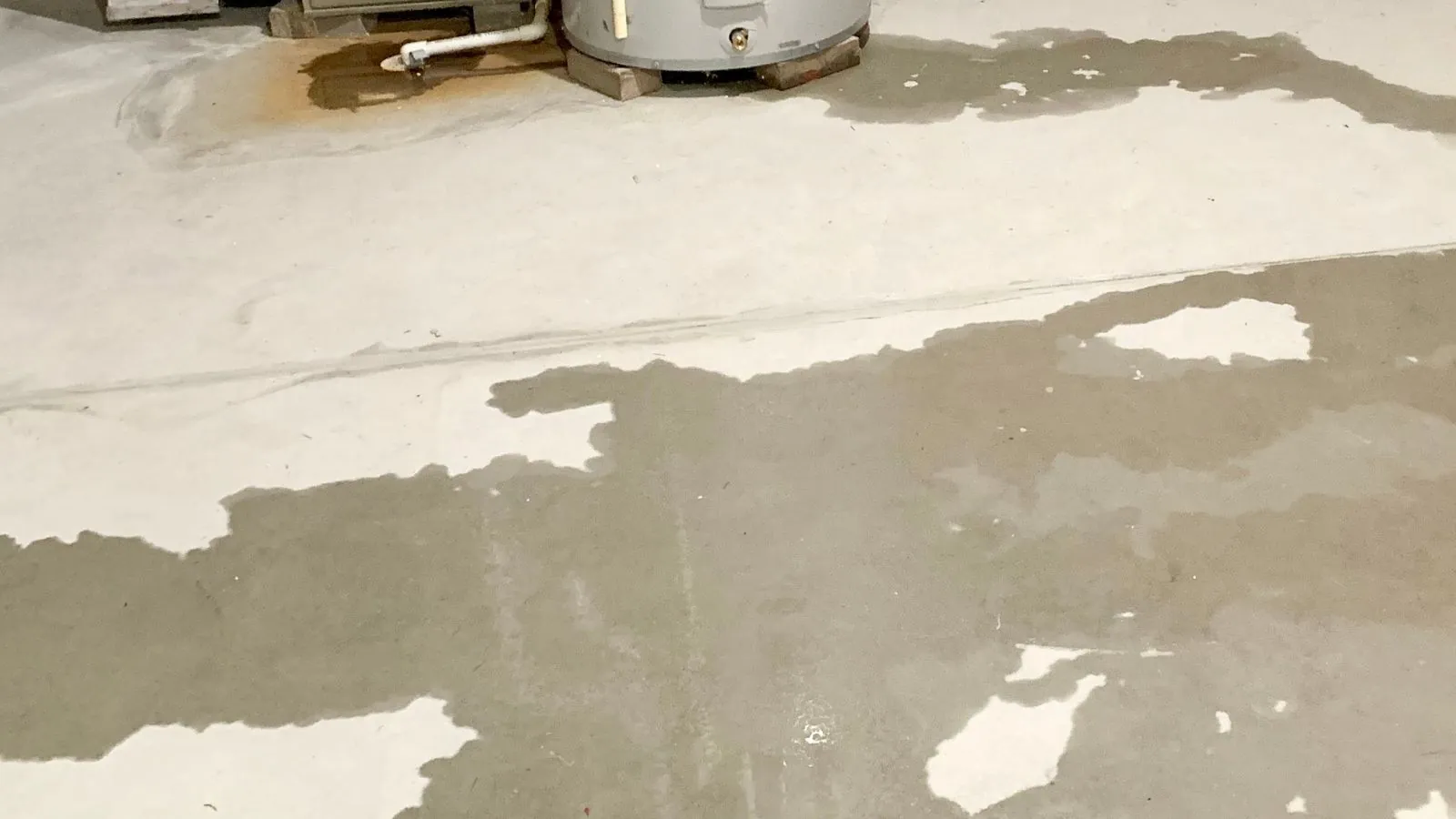
Paper cannot dry in a space that is still taking on water or holding heavy humidity. If water is standing in a basement or on a main floor, the first job is stopping the source and getting the water out. A crew running water extraction pulls standing water with pumps and extraction units, which is what lets the air in the room start to fall.
Safety comes before any box of photos. Do not wade into water that could touch outlets, a panel or a power strip, and do not carry wet boxes through a flooded area if the power is still on. If the water came from a drain or toilet, treat it as contaminated and leave the paper for later.
The Library of Congress guidance makes the same ordering point: remove standing water and reduce humidity first when many items are affected. Papers pulled out of the water and set in a damp, closed room will start growing mold on their own schedule.
Air dry or freeze: how to decide
The choice depends on how much is wet, how much clean table space you have, and how fast you can reach it. A handful of damp letters is an air drying job. A soaked box of files or a shelf of wet books is a freezer job, because the freezer buys time you do not have on the table.
Use the table as a first sort, then read the next sections for the handling details. It follows the National Archives and Library of Congress preservation guidance linked at the end of this page.
| Item | First move | Watch for |
|---|---|---|
| A few damp letters or papers | Air dry flat on clean blotting material | Change the blotter when it soaks through |
| A soaked stack or file box | Freeze if you cannot dry it within about two days | Freezing pauses mold, it does not kill it |
| Wet books | Stand on edge with paper between pages, or freeze | Do not force swollen covers shut |
| Coated or glossy pages | Separate with wax paper or freeze quickly | Pages can fuse into a single block |
| Modern snapshots | Air dry face up, one at a time | Do not touch the image surface |
| Old prints and negatives | Call a conservator before freezing | Archive sources differ on freezing |
| Discs, tapes and drives | Air dry, then ask a data specialist | Do not play irreplaceable media |
A note on the old photographs row. The National Archives page advises against freezing old photographs and negatives, while the Library of Congress guide lists photographs among items to freeze when there are too many to air dry. Because two respected sources differ, an irreplaceable or antique print is a conservator question, not a guess.
Water still in the room?
Get the standing water moving out first. Call (732) 352-9660 and describe what you see.
How to air dry what you can handle
Work on a clean, flat surface covered with plain unprinted paper or clean towels. Newsprint and colored paper can transfer ink onto wet items, so skip them as blotters. Wash and dry your hands first, since wet paper is fragile and skin oils mark photo surfaces.
- Documents: dry them flat in piles about half an inch high, or lay them out one by one if space allows. Replace the blotting material as it soaks up water.
- Books: place paper between the text block and the covers, and between pages if you have time. Fan the book open and stand it on edge. Swap out wet paper and turn the book over as you go.
- Glossy bound material: put wax paper between every page, because coated stock sticks fast.
- Photographs: lay most of them face up to dry one at a time. Change the blotter when it is wet.
- Fans: run them for air movement in the room, but do not aim airflow directly at drying items.
Mistakes that turn a wet record into a lost one
Most permanent damage comes from well-meant handling. Learn these before you touch the first photo.
Do not peel apart photographs or pages that are stuck together, and do not rub or wipe an image. The archives guidance warns that soaking stuck modern prints without expert input can cause irreversible damage, and that stuck photos on framed glass should be left on the glass and dried intact. Do not use a hair dryer, an oven or a sunny windowsill to speed things up.
Do not freeze discs, tapes or magnetic media by default. The Library of Congress lists audio and video materials as poorly suited to freezing. If the content cannot be replaced, make a digital copy after drying and play the copy.
Mold on paper and what to do about it
Mold can appear within days on paper that stays damp. The National Archives says freezing places mold into a dormant state and that it does not kill it, so frozen items come back out with the same mold question they went in with.
For fuzzy or slimy growth, the Archives says not to try removing active mold, because it can smear or spread. Dry, powdery growth is a different case: a soft brush and gentle strokes, preferably outdoors, is the method the Archives describes for dormant mold. Change brushes often.
Anyone with health questions about handling moldy material should talk to a physician first. If mold has spread into the walls or framing where the papers were stored, the paper is only part of the problem, and mold remediation done to the S520 standard deals with the building, not the books.
Dry the storage space too
Saved papers that go back into a damp room end up wet again. After the water is out, the walls, floor and any cabinets need to reach normal moisture content before records return. A moisture meter reading tells you far more than touch, because drywall and wood can feel dry while holding water inside.
Professional structural drying uses air movers and LGR dehumidifiers, and a crew tracks readings day by day until the affected materials match a dry reference. In a finished lower level, basement water damage cleanup follows the same logic: water out, materials mapped, drying measured, then storage returns.
Until the readings are good, keep the saved material upstairs or in a dry room, and keep it off the floor.
Replacing vital records in New Jersey
Some papers are not worth a conservator because the state can issue new ones. The New Jersey Department of Health Office of Vital Statistics and Registry holds birth records from 1925 and marriage and death records from 1951. It takes orders online through its vendor, by phone, by mail, or in person at the Trenton walk-in center.
Older records sit with the New Jersey State Archives: births through 1924 and marriages and deaths through 1950. Vital records are not public records and cannot be searched online, so expect to prove who you are.
Before you spend time drying an original certificate, check whether a fresh copy is the faster route. Keep the damaged original anyway if it carries a seal or signature you may need to show.
What Marlboro homeowners should know
The Monmouth County hazard mitigation plan annex for Marlboro Township reports that about 4.9% of the township sits in the 1% annual-chance floodplain, and it lists Texas Road and Fletcher Drive as roads that flood in intense rain. If your street or your lower level might be in that picture, check the FEMA flood map for your address before you decide where records live.
That same annex counts 104 flood insurance policies in force under the National Flood Insurance Program and seven repetitive-loss properties. The New Jersey Department of Banking and Insurance says standard homeowners policies generally do not cover flooding, and that a new flood policy is generally not effective until 30 days after purchase. Ask your insurer how contents are treated, and photograph the damaged papers before you start drying them.
Homes near Deep Run and Big Brook deserve the extra look. A crew from Freehold or Colts Neck reaches Marlboro addresses along Route 9 and Route 79, and a call at (732) 352-9660 gets the water and drying question sorted while you handle the paper.
Where to keep what you cannot replace
The best rescue is never needing one. Move original photographs, deeds, wills and family papers off the floor and out of basements, and store them on an upper floor in a closet that does not share a wall with a water heater, washer or bathroom.
Scan the irreplaceable items and keep a second digital copy somewhere outside the house. A scanned photo cannot be un-wetted, but it does mean a ruined print is no longer the end of the picture.
If a loss has already happened, keep a list of what was wet, with photos taken before drying. That list helps if you decide to ask your insurer about contents, and it keeps you from losing track of what is frozen in the garage freezer.
Questions about wet photos and papers
The Library of Congress says to act ideally within 24 hours, and the National Archives sets a two-day line: anything that cannot be air dried in that time should go into a freezer. Heat and humidity shorten the window, so a closed damp room is worse than a cool dry one.
If you can only do one thing in the first day, get the items out of standing water and into a cool spot with air moving in the room.
It depends on the photograph. The Library of Congress lists photographs among items to freeze when there are too many to air dry, but the National Archives advises against freezing old photographs and negatives.
For modern snapshots in large numbers, many people freeze them to buy time. For antique, cased or irreplaceable prints, ask a conservator before they go in the freezer.
No. The National Archives states that placing damaged items in a freezer does not kill mold, it makes it dormant. When the books thaw, any mold present can become active again, so plan to dry them promptly in small batches after thawing.
Keep the thawing area dry and ventilated, and do not brush off fuzzy growth, because that can smear it into the paper.
Yes, in most cases. The New Jersey Department of Health Office of Vital Statistics and Registry holds birth records from 1925 and marriage and death records from 1951, and takes orders online, by phone, by mail or in person in Trenton.
Records older than those dates are held by the State Archives. Check the current fees and identification rules on the nj.gov vital records pages before ordering.
Yes. Drywall, framing and cabinets can hold moisture long after they feel dry, and papers return to that damp air. A meter reading against a dry reference tells you whether the room is ready.
If the water came from a larger loss, ask the drying crew for the final moisture readings before moving records back into that space.
They change where you should keep them. The county annex puts about 4.9% of the township in the 1% annual-chance floodplain, so check the FEMA flood map for your address. If you are in or near that area, keep originals on an upper floor and scanned copies outside the house.
A lower level can also take on water from a failed sump pump, which has nothing to do with the map.
Papers rescued, room still damp?
Call (732) 352-9660 to talk through extraction and drying for the space where your records were stored.