
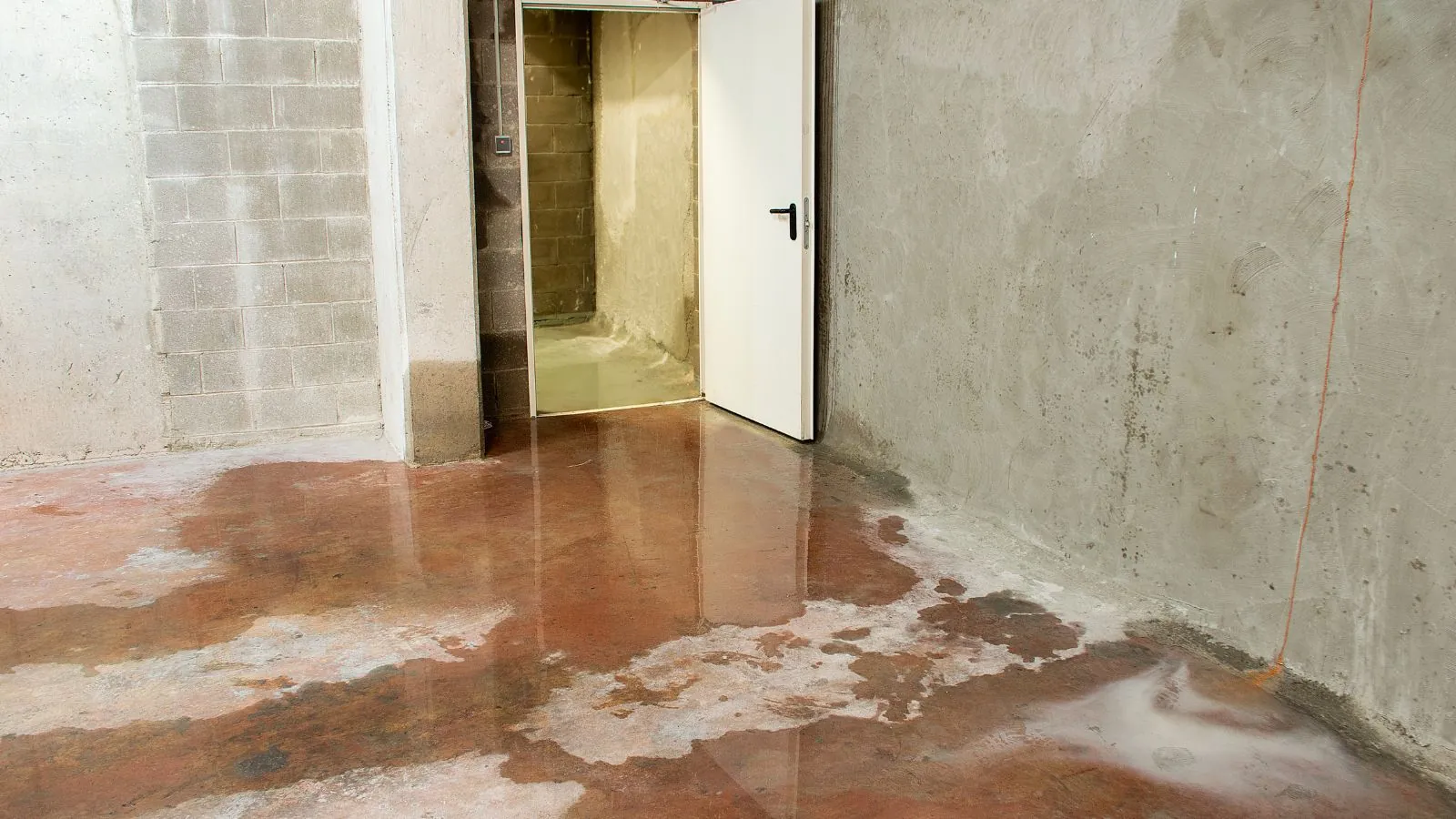
Ask any water damage company seven things before you sign. Will the scope be written down, which equipment will be used, and do the crews work to ANSI/IICRC S500? Can they show a New Jersey Division of Consumer Affairs contractor registration, how is the price set, what will be documented, and who will be on site? Specific answers separate a prepared company from a hopeful one.
You will probably be asking these at a bad hour, with water still on the floor. Save this list on your phone, and read the answers back to yourself the way you would an insurance letter: if it is vague, it is not an answer.
Will you give me a written scope before work begins?
A written scope lists what will be done room by room: extraction, removal of wet material, equipment placed, drying monitored, and what is left for the rebuild. It protects you and the company, because both sides can point to the same page when a question comes up later.
It is reasonable for a crew to start emergency steps first, like pulling standing water, while the paperwork follows. But the scope and price should be explained before the larger work starts, and anything that changes should be changed in writing.
If a company will not put the scope on paper, or says the paperwork will come at the end, that tells you how the rest of the job will go. Ask to see the document before demolition begins.
What equipment will you use, and why?
A prepared company can name its tools and what each one does. Extraction units and pumps remove standing water. Moisture meters and thermal imaging cameras find wet material you cannot see. Air movers push air across wet surfaces, and LGR dehumidifiers pull moisture out of the air so it does not settle on other materials.
Ask how many air movers and dehumidifiers are planned and how that number was chosen. A reasonable answer ties the count to the size of the affected area and the types of material, not to a flat package.
Also ask how drying will be checked. Daily moisture readings recorded against a dry reference are the way a crew proves a structure is drying and knows when to stop. The same logic is covered in more depth under structural drying and dehumidification.
Water still on the floor?
Call (732) 352-9660 for 24/7 dispatch and same-day response when available, and ask us anything on this list.
Do your crews work to ANSI/IICRC S500?
ANSI/IICRC S500 is the published industry standard for professional water damage restoration. It covers water categories, classes of loss, drying principles and documentation. Asking whether a company's crews work to it is a fair, specific question.
A good answer names the practices that come from it: classifying the water, setting a drying goal, monitoring daily and recording the results. A weak answer is a logo or a general statement that they are the best.
If the company also does mold work, the matching standard is ANSI/IICRC S520. Ask the same question there. And whatever the answer, ask to see any credential the company claims, since a standard describes how work should be done and says nothing about who actually does it.
Question and answer at a glance
Use this table as a quick screen. If most answers land in the middle column, you are talking to a prepared company. If most land in the right column, keep looking.
| Question | A strong answer sounds like | A red flag sounds like |
|---|---|---|
| Written scope? | Room-by-room list of work, equipment and exclusions, shown before demolition | We will figure it out as we go |
| Equipment? | Names extraction units, air movers and LGR dehumidifiers and how the count was chosen | We bring everything we have |
| S500? | Explains water category, drying goal and daily monitoring | Vague talk about being the best |
| Registration? | Shows a NJ Division of Consumer Affairs registration card | Declines or says it is not needed |
| Pricing? | Explains what sets the price and what could change it | A single round number with no detail |
| Documentation? | Photos, moisture logs and a written record you can give your insurer | Trust us, we will tell you when it is done |
Write the answers down as they are given, with the date. If a dispute ever comes up, your own notes carry real weight.
Can I see your contractor registration?
The township permit page says home improvement contractors must be registered with the New Jersey Division of Consumer Affairs and must show their registration card before permits are issued. Even when no permit is involved, asking for the registration number is a simple credibility check.
Ask for the company's legal name, the registration number and a street address. Then confirm it with the state yourself. A company that hesitates to share those details is giving you information.
Also ask about insurance. Generic licensed and insured is a standard answer, but you can ask for the certificate and call the insurer listed on it to confirm it is active. A real business hands over a certificate without fuss.
How is the price set, and what could change it?
Pricing for water damage depends on the water category, the square footage affected, the materials involved, the number of drying days with the equipment that implies, and the rebuild scope. A company that can explain those factors in plain language can estimate honestly.
Ask what happens if the job grows. Wet material found behind a wall or under flooring is a common reason for a scope change. A good answer is that the crew will call you, explain what was found and get your approval before the added work starts.
Be careful with an offer to start immediately with the price to come later. Emergency extraction is a reasonable time to move quickly, but the larger work should follow a written number. If you want more detail on how to read a written estimate, call and ask us to talk it through.
What gets documented, and can I get a copy?
Documentation is what turns a drying job into something an insurer can follow. It usually includes photos before, during and after, a sketch or list of affected rooms, moisture readings on each visit, equipment logs and a final drying record.
Ask whether you will receive those records and in what format. If your policy covers the loss, your adjuster will probably want to see them, and a company that treats documentation as optional will cost you time later.
Also ask who will be on site and whether you will be called before anyone arrives. You are letting a crew into your home, and you can fairly ask how they will announce themselves and who is responsible for the work. Arrival times can be unpredictable during a busy storm, so listen for honesty rather than a promise.
What Marlboro homeowners should know
The Marlboro Township Construction Division permit page says building, remodeling and additions generally require a building permit, and that applications need drawings, an estimate or materials list and a notarized zoning application. It also says contractors must show a New Jersey Division of Consumer Affairs registration card before permits are issued.
The page does not mention water damage specifically, so whether a given repair needs a permit is a question for the Construction Division. A restoration company can describe the work, but the township decides what requires a permit.
That makes the rebuild phase the place to check credentials most carefully. If drywall, framing or finish work is part of your repair, ask who is doing it, whether a permit applies, and whether that contractor carries the registration card the township describes.
- Call the township Construction Division to ask whether your repair needs a permit.
- Ask for the registration card and number before work that needs a permit.
- Keep a copy of the permit and the final inspection record with your claim file.
If the property is a business or a multi-unit building
Commercial jobs add questions: how the company will protect tenants and inventory, whether work can happen after hours, and how downtime will be tracked for a business-interruption claim. Ask whether the company handles commercial water damage restoration regularly and for which kinds of buildings.
For standing water that is still spreading, the first call is often about water extraction. Ask the same questions anyway. A good company answers them whether the water is in a living room or a back office.
Hiring questions homeowners ask in Marlboro
When time allows, yes. Compare written scopes, not totals, and check that each lists the same rooms, equipment and exclusions.
But do not wait on extraction. Standing water and soaked materials get worse by the hour, so many people arrange emergency steps first and compare larger scope items afterward.
New Jersey's Department of Banking and Insurance says you may use a contractor of your choice, and your insurer may suggest one. Choosing is your decision, and your insurer decides what your policy covers.
Ask your insurer what documentation it needs, and make sure the company you hire can supply it.
ANSI/IICRC S500 is a published standard for water damage restoration. Following it means classifying the water, planning the drying, monitoring with moisture readings and keeping records.
Ask which of those steps the company does on every job and how it records them. The standard does not make anyone certified. Ask to see any credential claimed.
No. The township permit page asks contractors to show a registration card, and you can verify that registration with the state. For mold work specifically, the Department of Health says there are no State certification programs for mold companies.
So ask each company what it holds, what it means and how you can check it.
Payment terms belong in the written scope. Ask what a deposit covers, when the next payment is due and what happens if the scope changes.
Avoid paying in full before work is complete. Keep receipts and written terms with your claim records.
The township Construction Division handles permits. Its page says building, remodeling and additions generally require one and does not list water damage repairs.
Call the division, describe the work, and ask. Keep their answer in writing with your records. Homeowners in nearby towns like Freehold or Eatontown should ask their own municipal office, since rules are local.
Ready to hear real answers?
Call (732) 352-9660, and we will explain scope and price before work starts.